A New Chapter for Real Estate: Ownership, Coordination, and Trust
The real estate industry is changing fast. Platforms are moving closer to the transaction, AI is automating tasks, and many professionals are asking where they fit. This essay explains why the future isn’t agents versus technology — it’s ownership, coordination, and who controls the rails.

I’ve won the old game — and that’s why I can see what’s changing
I started my career at the coalface of real estate. I knocked on doors, made the calls, negotiated deals, and built trust one relationship at a time. Over time, I went on to found and grow real estate businesses, including a national top-performing office and a franchise group built around accountability and process.
I say that not to look backwards, but to be clear about something important: I understand the traditional model because I’ve lived it — and I understand why many people feel uneasy about where things are heading.
That unease is justified.
The industry isn’t being disrupted by AI — it’s being reshaped by ownership
There’s a lot of noise right now about artificial intelligence replacing agents, automating tasks, and reducing commissions. But AI itself isn’t the real issue.
The real issue is platform power.
Large platforms already control attention. They increasingly control early customer intent, pricing guidance, and workflow prompts. AI simply accelerates their ability to move closer to the transaction.
When that happens, a hard question emerges:
If someone else owns the customer relationship, the workflow, and the financial visibility — what’s left?
This isn’t about agents becoming irrelevant. It’s about who owns the systems that sit between professionals and their customers.
Fragmentation is the real risk
Individually, agents and businesses are strong. Collectively, the industry is fragmented.
We use different CRMs, different marketing tools, different workflows, different suppliers — all loosely stitched together. That fragmentation makes it easy for centralised platforms to quietly absorb more value over time.
Not because they’re malicious.
But because that’s what platforms do.
The uncomfortable truth is this: fragmented industries don’t win against coordinated systems.
The future is direct-to-customer — but together
I don’t believe the answer is resisting technology or hoping platforms slow down. That never works.
The answer is coordination.
If platforms are going direct-to-customer, then the industry must go direct-to-customer together — with shared infrastructure that keeps accountability local, relationships intact, and financial clarity transparent.
That’s why I founded The Property Platform.
Not to replace agents.
Not to fight portals.
But to build rails the industry itself can use — and ultimately own.
This is what I mean by the ownership economy
The ownership economy isn’t about hype or speculation. It’s about alignment.
It’s about contributors — agents, businesses, suppliers, developers — sharing in the systems they help build, rather than paying rent to systems they don’t control.
It means:
- Customer relationships aren’t trapped in black boxes
- Workflows are clear and accountable
- Financials are visible, not obscured
- And over time, those who contribute have a voice in how the platform evolves
This isn’t about overnight decentralisation. It’s about progressive ownership, built carefully and responsibly.
My role isn’t to sell — it’s to guide
I’m not here to tell anyone they’re doing it wrong. And I’m not interested in fear-based narratives.
My role today is different from earlier chapters of my career.
I see myself as a guide — helping agents, principals, tech providers, and contributors make sense of what’s changing, understand their options, and move forward with clarity rather than panic.
We have time.
But we must act now.
Because the future won’t be decided by who shouts the loudest — it will be decided by who builds the most durable systems, together.
A final thought
Every major shift creates anxiety before it creates opportunity. The real estate industry is no different.
But I genuinely believe this:
If we coordinate early, share ownership, and stay focused on trust and accountability, the people doing the work can still win.
That’s the future I’m building toward — and I invite you to help shape it.

Read more

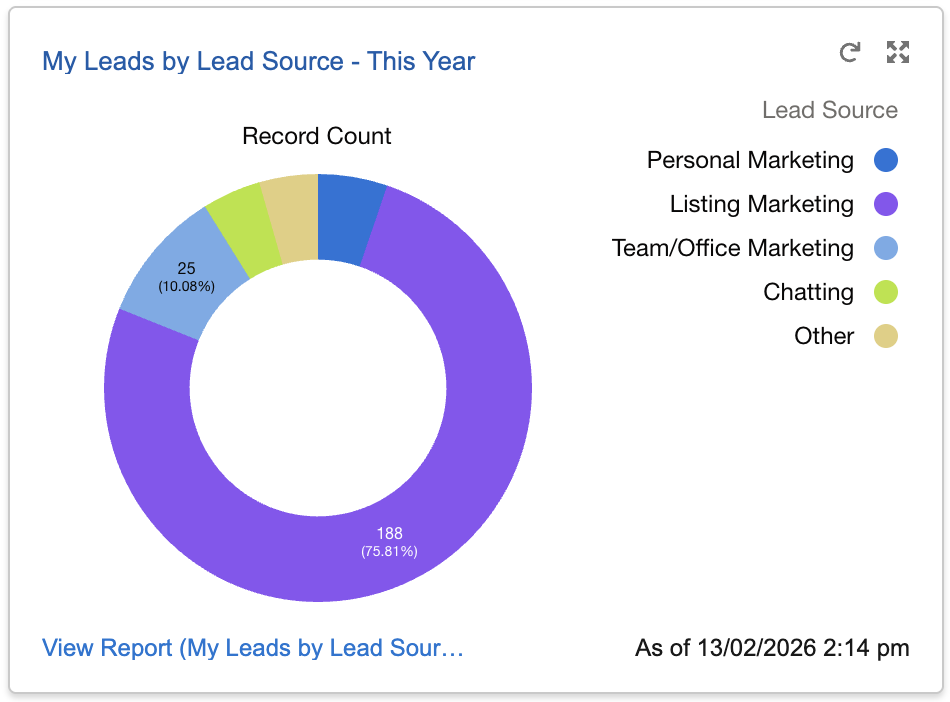
Real Estate Doesn’t Have a Lead Problem, It Has a Follow-Up Problem
Most agencies aren’t short on leads, they’re short on systems to follow them up effectively. The Property Platform helps real estate teams see every lead from first enquiry to final settlement, improving accountability, consistency, and conversion.
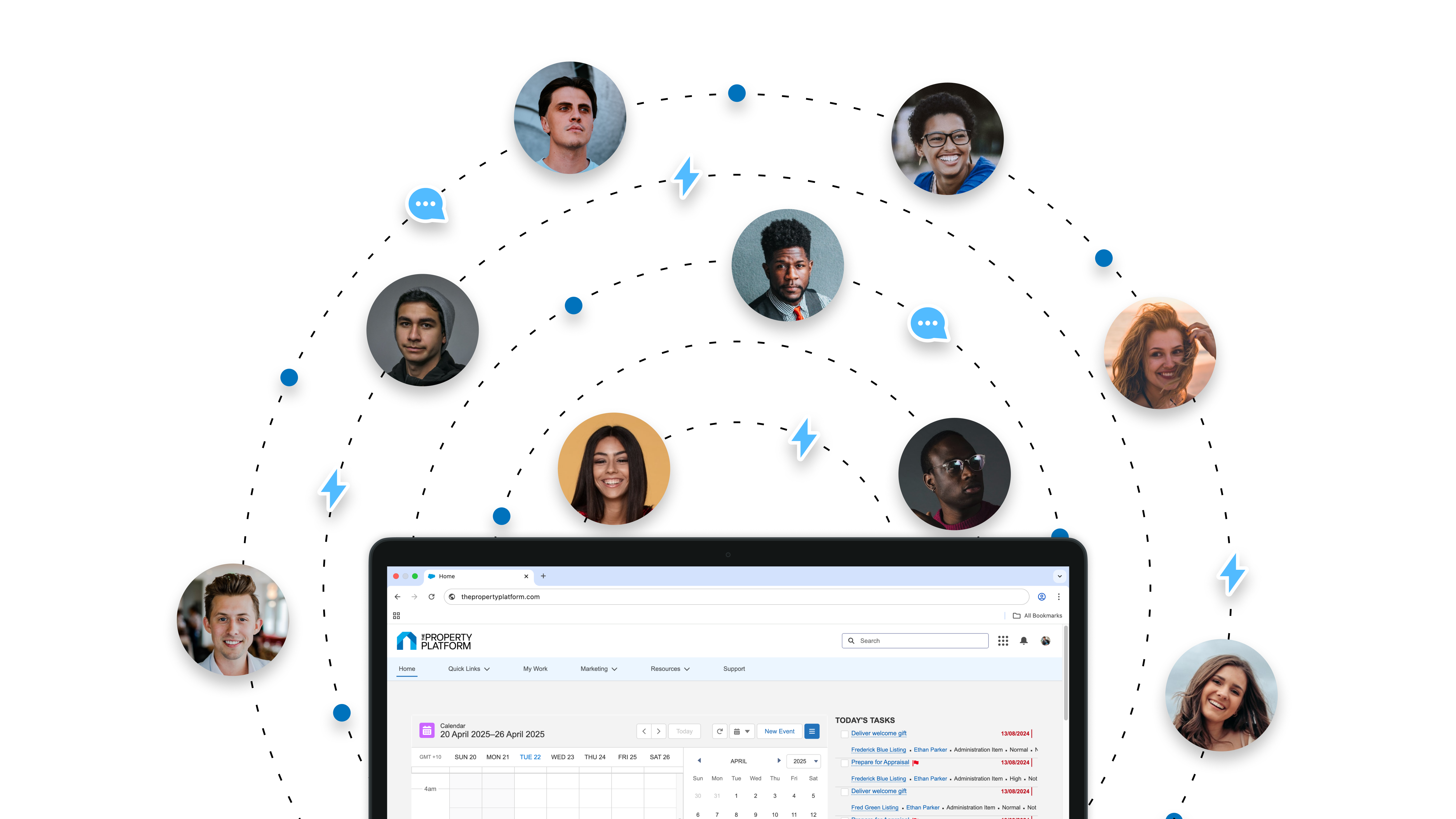
The platform built for growth
Find out why real estate professionals choose The Property Platform.